
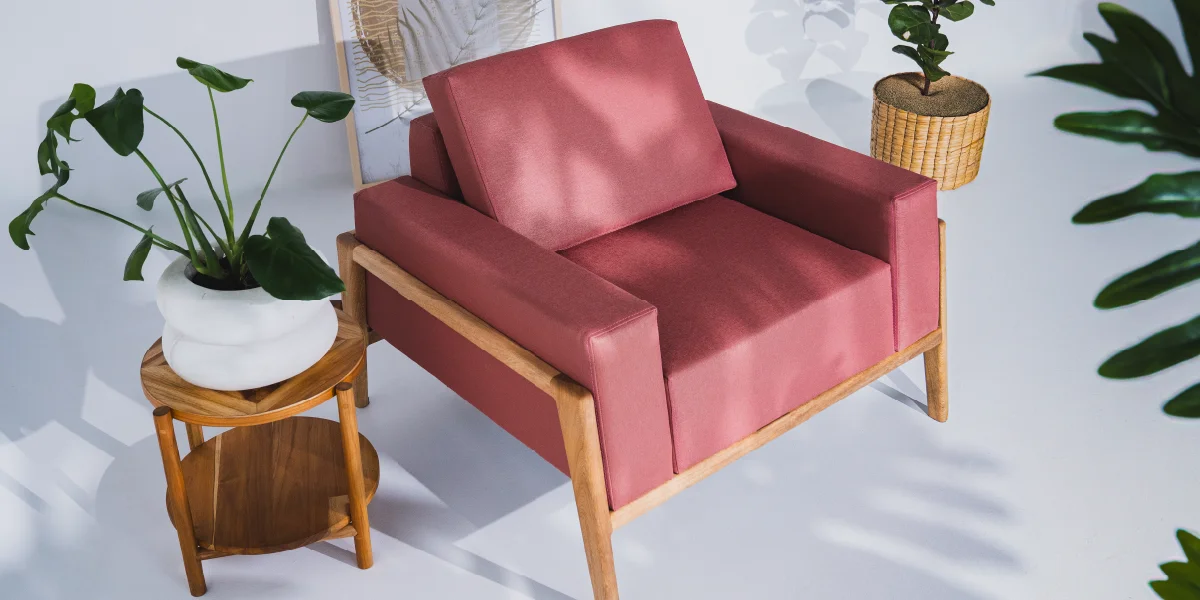
Textile design: how does it impact the outcome of the final product?
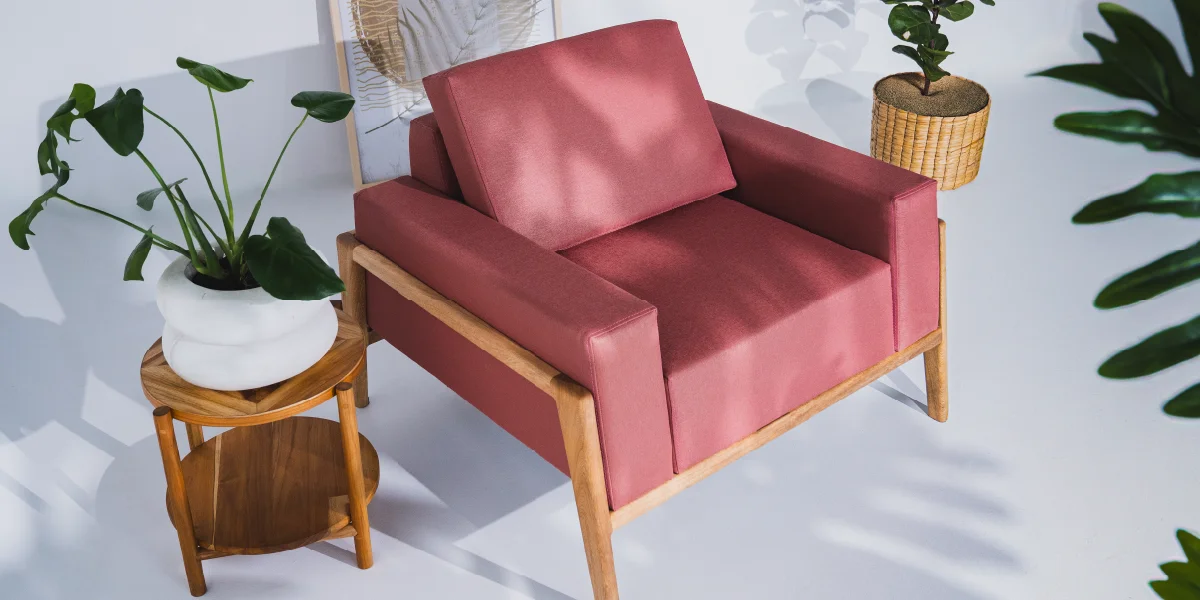
Textile design is between two fundamental pillars: art and functionality. In sectors as varied as healthcare, hospitality, and marine, you will surely see that it brings aesthetic value, but that's not all, in parallel it influences the perception of the final product, user comfort, and durability of products.
We will tell you what it's all about.
Textile design: art and functionality
How do these two elements blend?
- Art: is fundamental to creating visually appealing and unique products. Textile designers use colors, patterns, and textures to express creativity and style. This is how they influence the aesthetics of furniture fabrics. In sectors such as hospitality and marine, where first impressions are crucial, attractive textile design can significantly enhance the user experience.
- Functionality is essential to ensure that products are not only beautiful, but also practical and useful. In the healthcare sector, for example, furniture fabrics must be durable, easy to clean, and stain-resistant to maintain a hygienic environment. In the marine industry, fabrics must withstand harsh environmental conditions, such as humidityand exposure to the sun. All without losing their integrity.
Textile design enhances perception, comfort, and durability
You may be wondering how. Well, find out how below:
- Perception of the final product: in the hospitality industry the quality and design of furniture fabrics can influence how customers perceive the comfort and luxury of the establishment. A well-thought-out design can convey a sense of quality and attention to detail. This enhances the reputation of the service offered.
- User comfort: soft and comfortable fabrics can enhance the patient experience in the healthcare sector. This will make the environment more welcoming and less stressful. In the marine sector, durable yet comfortable fabrics ensure that users can enjoy their time on board. All without worrying about rapid wear and tear or discomfort.
- Durability: this is key, especially in applications where products are subject to heavy use. When manufacturing furniture, fabrics must be robust enough to withstand daily use. They then maintain their appearance and functionality over time. This is vital in sectors such as hospitality and marine. There, products must offer reliable performance under various conditions.
Integration of sustainability in this design
Integrating sustainability into textile design is not just a trend, but a necessity. By opting for eco-friendly materials and sustainable production processes, textile designers can create products that minimize environmental impact. This includes the use of natural and recycled fibers, non-toxic dyes, and production methods that reduce water and energy consumption.
So, we can say that textile design is a discipline that unites art, functionality, and sustainability. As a result, we create products that are not only visually appealing but also practical and environmentally responsible. We hope we have informed you on the subject!
Referencias Bibliográficas
-
Brammer, M. (2021, November 29th). 5 trends en textiles que están definiendo al interiorismo, según los expertos. Architectural Digest.
-
Casa Decor. (2022, June 1st). Nuevos textiles y revestimientos murales para una casa sostenible.
-
Casajuana, M. (2023, June 15th). La influencia del arte en el diseño textil. La Vanguardia.