
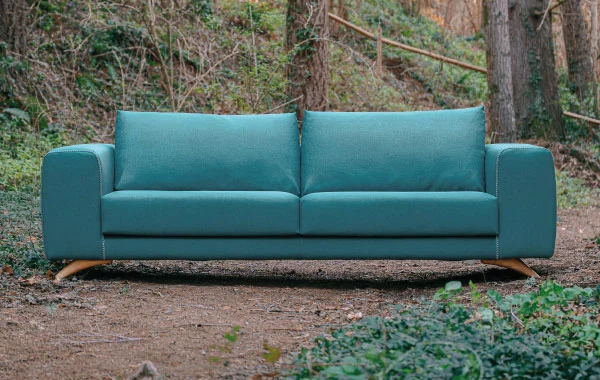
Sustainable fabric: how to choose wisely
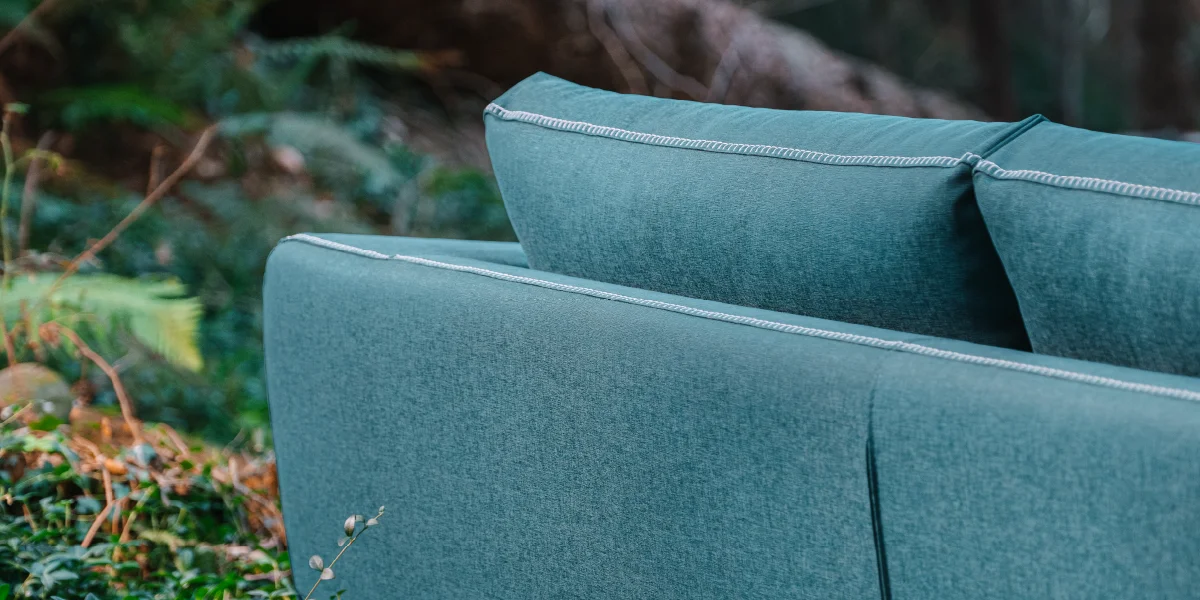
Sustainability has become a real commitment in many industries. In particular, the interior design industry is embracing new sustainable fabric options for applications such as institutional and marine furniture upholstery. These materials offer a unique opportunity to create stylish, durable environments that also support sustainable development.
Environments such as offices, hospitals, hotels, and ships need coated fabrics that are not only durable and resistant but also easy to maintain. Fortunately, sustainable fabric alternatives have evolved to meet these demands across various sectors. Moreover, when combined with Spradling®'s advanced protection systems—like Permacool, Permaguard, and Permablok—these coated fabrics ensure long-lasting, sustainable upholstery that protects your furniture. By using zero-waste strategies, manufacturers reduce unnecessary material waste during production, further enhancing the eco-friendly qualities of these fabrics.
Characteristics and advantages of sustainable fabric
Organic, recycled, and sustainably sourced fabrics provide numerous advantages that elevate the user experience and align with the growing corporate responsibility initiatives many companies embrace.
For example, below are some of the key benefits:
Recycled fabrics
The backing of the coated fabrics can be made from 100 % recycled plastic bottles. For instance, Spradling® produces some of its sustainable fabric lines using this innovative backing, allowing a 30-meter roll to be created from 325 Recycled PET bottles. This product holds Global Recycled Standard (GRS).
Fabrics of sustainable origin
Some fabrics include bio-based components derived from the forestry industry. For instance, Spradling® fabrics contain over 50 % polymer content sourced sustainably. These fabrics are also biocompatible and meet stringent cytotoxicity standards, including ISO 10993-5, ISO 10993-10, and ISO 10993-23.
Recommendations for selecting sustainable fabric materials
For designers and fabricators looking to integrate coated fabrics into their projects, choosing the right material is vital. To assist you, these tips can help guide your decision-making process:
Verify certifications
When choosing the parts for your projects, it is important to verify that they have recognized certifications, such as:
- Air Quality Advantage Gold.
- Greenguard Gold Certification.
- Prop 65 Compliant.
- Reach Compliant.
- RoHS Compliant.
This ensures that you’re choosing products manufactured according to strict environmental standards.
Sustainable fabric: assessing durability
The resistance of coated fabrics to water,mildew, UV rays, stains, and heavy use is important in sectors like marine and institutional design. Materials must endure daily wear and tear as well as extreme conditions. Be sure they have been treated to resist water, mildew, UV rays, and heavy use.
Choosing committed manufacturers
The manufacturing industry is adopting sustainable production practices, from using renewable energy to reducing waste. Working with suppliers committed to sustainability can have a significant impact on the environmental footprint of each project.
By integrating these fabrics into your designs, you increase the value of your projects, offering solutions that are both aesthetically pleasing and ethically responsible. Sustainability offers an opportunity to innovate and make a positive difference in interior design.
Bibliographic references
- Padial, J. (2023, August 3). Ecological fabrics: a necessity for our health and that of the planet. Conasi.
- Textile Exchange (2024, September 26). Materials Market Report 2024.