
Renewable energy sources: manufacturing industry and sustainability
The revolution of renewable energy sources has entered the manufacturing industry. Sustainable development is now a must across all sectors, including the textile industry, which is known for its historically high energy consumption during production.
Discover how embracing renewable energy transforms this sector and, more importantly, helps reduce its environmental footprint.
Renewable energy sources: benefits in the manufacturing industry
The manufacturing industry has increasingly turned to renewable energy sources like solar and wind power. This shift comes from the numerous economic, environmental, and sustainability benefits these energies offer, including in the production of coated fabrics.
Companies in the industry are adopting practices that reduce environmental impact and boost sustainability.
The benefits of using this type of energy source include:
- Energy savings and a smaller environmental footprint: renewable sources like solar and wind power significantly cut carbon emissions. They also lower water usage in dyeing and finishing processes, energy consumption during production, and the release of harmful pollutants.
- Long-term cost savings: while the initial investment in systems like solar panels or wind turbines can be substantial, ongoing operating and maintenance costs are much lower over time.
- Higher-quality, more appealing products: renewable energy allows for precise control of humidity and temperature during production, resulting in better-quality outcomes.
Spradling offers this type of product, for 65 years has been a leader in the field of high-quality coated fabrics, films, and flooring.
Examples of its implementation
Currently, we find several renewable energy source options to adapt to the coated fabrics industry.
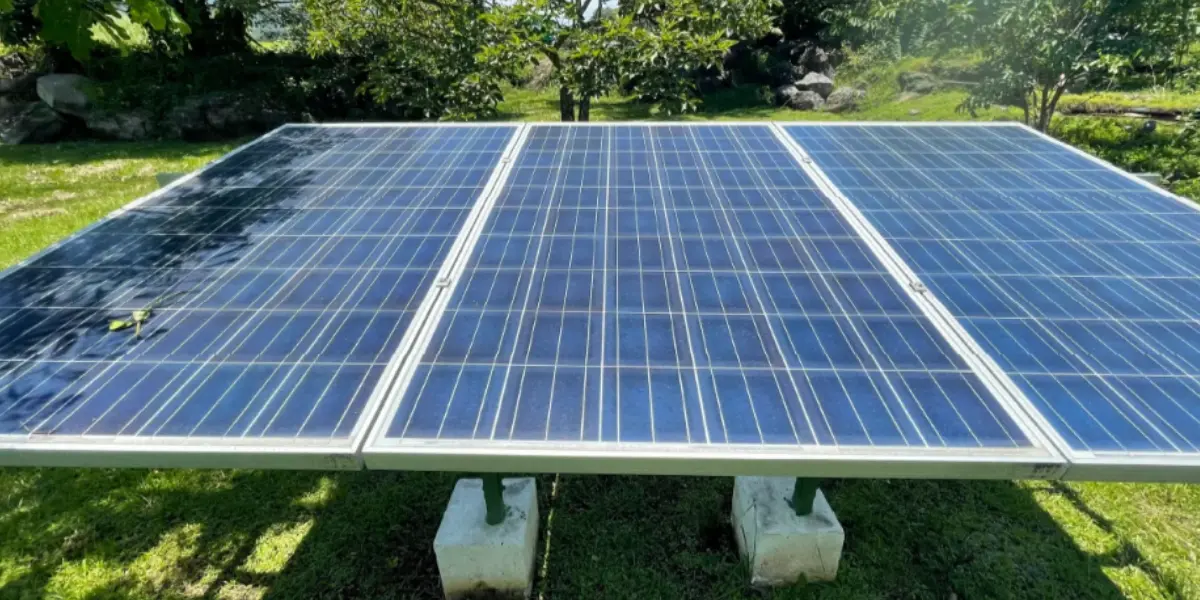
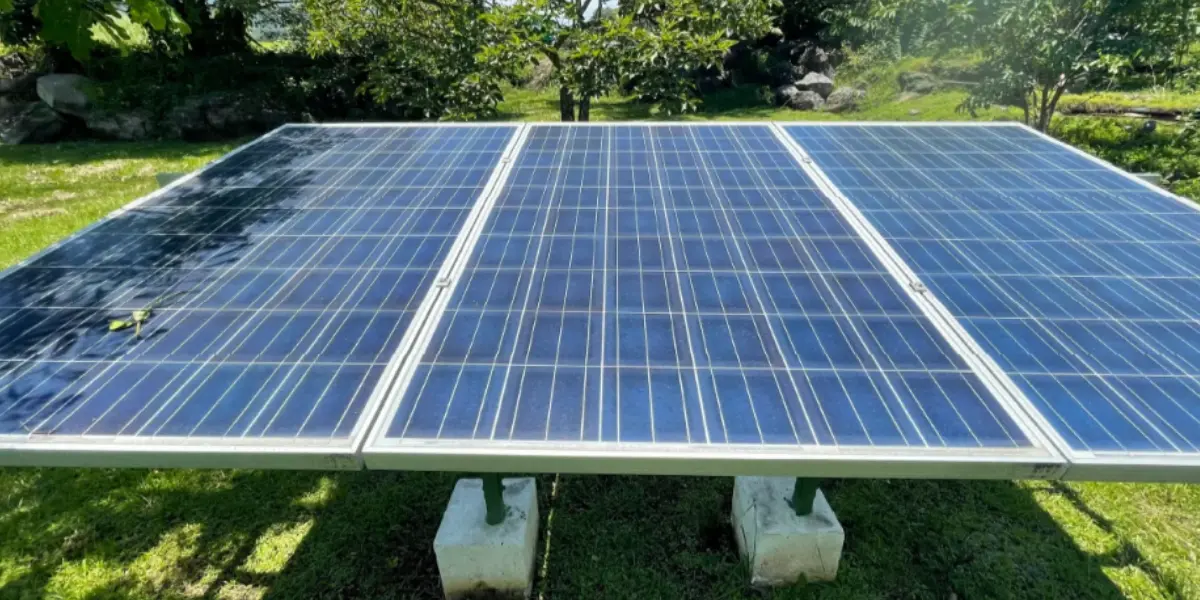
For instance, installing solar panels on factory rooftops is becoming increasingly popular. Moreover, solar energy is a reliable choice for enhancing production, as it can cut energy use in manufacturing processes by up to 50 %.
For Spradling, sustainable development is more than just a trend. It's a core part of their operations and strategic vision. Through their sustainability strategy, they’ve achieved significant annual benefits, including:
- Saving the equivalent of 16 barrels of oil.
- Generating 26,598 kWh of renewable energy.
- Reducing emissions by an amount equivalent to what 248 trees would absorb.
In summary, renewable energy sources have proven to be a clean and sustainable solution for meeting the energy needs of this industry. Consequently, their transformative potential is undeniable, and consumers today are demanding environmentally responsible products. Be part of the change!
References
-
Absolicon. (2021, October 21). Aplicaciones de energía solar térmica para la Industria Textil.
-
Audaces. (2023, February 5). ¿Cómo usar telas tecnológicas en tu confección de moda?
-
Martínez, E. (2024, March 6). Sostenibilidad en el sector textil. ATRIA Innovation.
- Renteria, E. (2024, March 1). Energía renovable beneficia a la industria textil. enlight.