
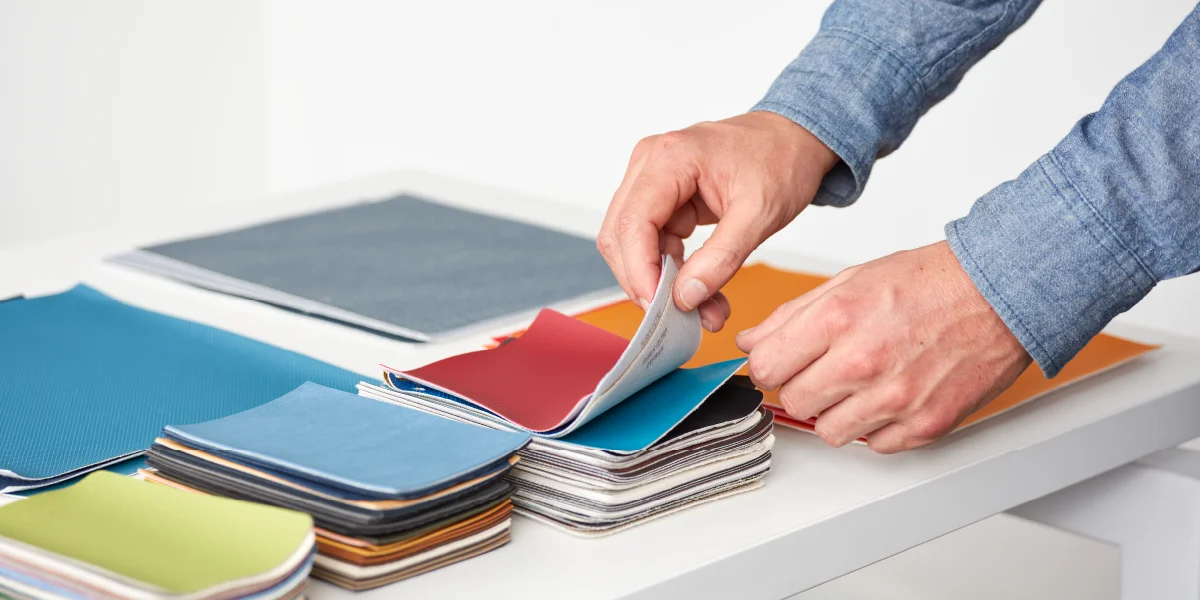
Interior design trends in marine and contract
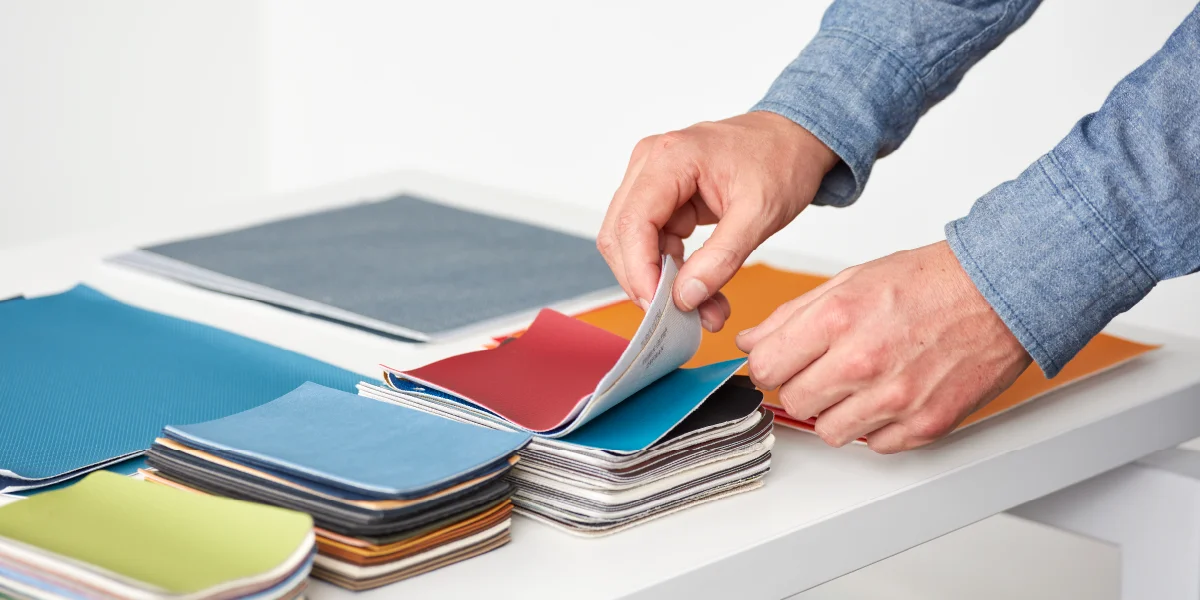
Interior design in marine and contract spaces has evolved significantly in recent years by adopting new interior design trends. These innovative and sustainable proposals enhance aesthetics, functionality, and durability. Continue reading if you want to learn all about it!
Most relevant and inspirational interior design trends
In recent years, the interest in caring for the environment has led to the design of environmentally friendly spaces. As a result, trends such as biophilic design and sustainability have emerged.
Biophilic design
Seeks to connect occupants with nature by incorporating natural elements into the built environment. For example:
- Natural light: large windows, skylights, and sheer curtains maximize the entry of sunlight into a space.
- Plants: beautify environments, improve air quality, and offer a relaxing effect. They range from traditional potted plants to green walls or vertical gardens.
- Plant patterns: nature inspires plant patterns, such as organic shapes and natural textures. They range from softly curved furniture to textile prints that mimic petals, leaves, and branches.
New interior design trends: sustainable materials
Designers now seek to minimize the environmental impact of their projects by selecting recycled materials from responsible sources. Some include certified wood, bamboo, cork, and organic textiles. In addition to being eco-friendly, these materials bring a natural aesthetic to spaces.
Adapting trends to marine and contract spaces
The success of an interior design project depends on good space planning. Therefore, the latest industry trends must be adapted to marine and contract environments, considering the following factors.
Durability
On yachts or boats, it is essential to use materials resistant to moisture and corrosion. Treated wood, rust-resistant metals, and waterproof fabrics are essential.
In offices, hotels, or restaurants, durability is important due to high traffic. Materials must be wear-resistant and easy to clean.
Practicality in interior design trends
It is vital to find a balance between aesthetics and functionality. For example, interior gardens in biophilic design not only add beauty but also promote natural lighting and improve ventilation.
Balancing fashion and timeless design
Balancing fashion trends with timeless design principles ensures the longevity and appeal of spaces. Classic elements such as symmetry, proper proportions, and a neutral color palette ensure that environments don't feel outdated quickly.
Future trends in interior design
Looking ahead, trends will continue to evolve with a focus on sustainability and technology. Thanks to smart design, more and more spaces will be created equipped with connected devices that improve energy efficiency and comfort.
Furthermore, customization through 3D printing and augmented reality will allow designers to create solutions tailored to each user's needs. In line with this, the design of flexible spaces, adaptable to different uses, is on trend.
In conclusion, interior design in hotels, offices, educational institutions, hospitals, and ships is being redefined with trends that prioritize the connection with nature and sustainability, without compromising strength and practicality. Thus, it is possible to create elegant and durable interiors.
Referencias bibliográficas
- Stouhi, D. (2023, March 4th). Interiores biofílicos: 21 proyectos que fusionan la arquitectura con la naturaleza. ArchDaily.
- Tamarit, O. (2022, March 16th). ¿Qué es... el interiorismo sostenible? Houzz.